
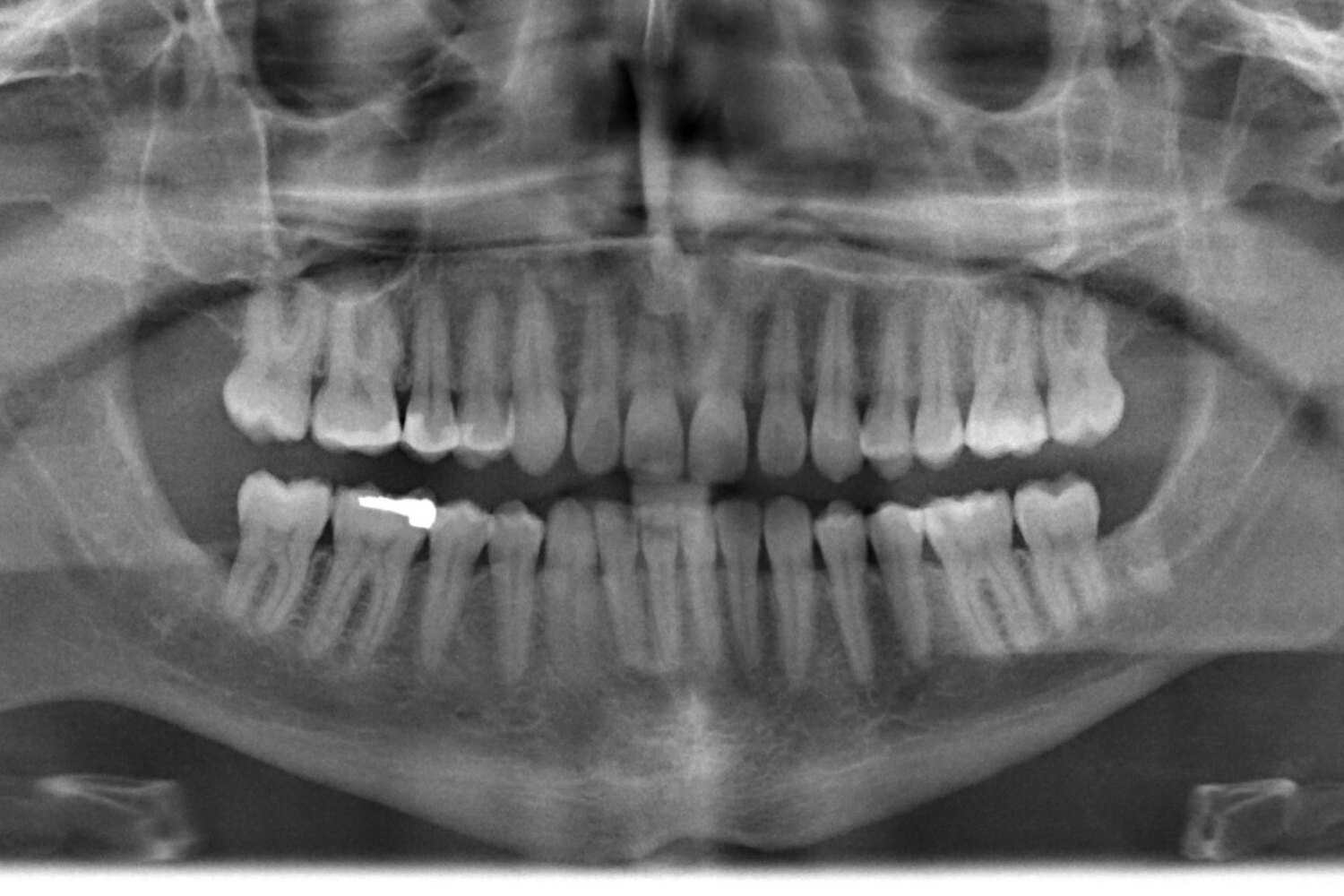
If you’ve ever sat in a dentist’s chair, weighed down by an unwieldy, yet oddly comfortable, lead apron, wondering if your sense of time has gone completely haywire—wait, wasn’t I just here, and isn’t it too soon for more X-rays?—take comfort. You may be entirely correct.
Some dentists are pushing back against what they see as an overuse of dental imaging technology. Forcing patients to undergo regular X-rays, regardless of any obvious dental issues, is not only harmful, they argue, but goes against the standards set by the American Dental Association (there’s a joke to be made about nine out of 10 dentists agreeing that it’s bad, but no studies support that punchline).
The debate kicked off back in May, when a trio of Brazilian dentists wrote a letter to Journal of the American Medical Association (JAMA), complaining that their field had fallen behind the times. They complained that dentistry had become too influenced by the economics of running a clinic, pricing many people out of care while those who can pay are often over-diagnosed and over-treated. While not mentioned specifically, X-rays became a hot topic in the comments. While many physicians from various fields argued the tool was overused, others disagreed, saying the imaging technology is crucial for preventing tooth decay and other dental and periodontal diseases.
X-rays are wildly popular among dentists. A 2023 study found that 320 million dental radiography procedures were performed in 2016, or just under one for every resident of the country. That’s incredible, given that, according to the CareQuest Institute for Oral Health, over a quarter of the population doesn’t have dental insurance. The costs of X-rays can vary by both type and geographic location, but average out to between $30 and $750 for a set, according to dental care financing company CareCredit
In a response to the Brazilian letter, published in JAMA on October 14, Sheila Feit, a retired dentist in Syosset, New York, noted that the ADA changed its guidelines in 2012 to recommend adult patients with no cavities, and no increased risk of developing cavities, get new X-rays every two to three years. Those guidelines were updated once more in April 2024. The experts who worked on the revised guidelines pointed out, in the Journal of the American Dental Association, that while the level of radiation in a dental X-rays is almost always below the threshold that can lead to serious damage, “any amount of ionizing radiation can increase the risk of adverse health effects.”
Instead of X-rays being used at set time intervals, like every six months or once a year, dentists should instead break them out “based on diagnostic and treatment planning needs, and dentists shall make a good-faith attempt to obtain radiographs from previous dental examinations,” they wrote. In other words, X-rays should only be taken when they’re needed. The experts added that this determination shouldn’t just be made from a dentist’s best judgment, but should also involve a discussion with patients about the benefits and risks involved.
In yet another response, Yehuda Zadik, an associate professor at Israel’s Hebrew University, compared using dental imaging to fit a crown to the now-arcane practice of X-raying kids’ feet while shoe shopping. It would be inappropriate to “perform routine radiographs automatically during each periodic examination before conducting a clinical examination,” he wrote. “This practice could be likened to performing periodic full-body computed tomography scans without specific clinical indications, symptoms, or patient concerns.”
There have actually been a few updates to dental X-ray best practices that might come as a shock to those of us who have recently been in that surprisingly comfy chair. In February, the ADA introduced a new set of recommendations for best X-ray practices. Among them was the recommendation to stop using those heavy lead aprons when imaging patients. In a press release announcing the change, the ADA said studies had shown the aprons, as well as thyroid collars, weren’t necessary to protect patients from radiation exposure, regardless of age, or even if the patients were pregnant. The association noted that the protective gear could even interfere with the imaging, meaning even more X-rays would be necessary.
There’s a lot of misinformation about dental X-rays out there. When queried with “dentist xrays once a year,” Google’s AI confidently asserted that this is, indeed, how often you should have new imaging done. Now that you know the deal, feel confident in engaging your dentist in a discussion next time they try pushing that weird piece of plastic into your mouth. It likely won’t affect your health, but you could save yourself a few bucks.
