
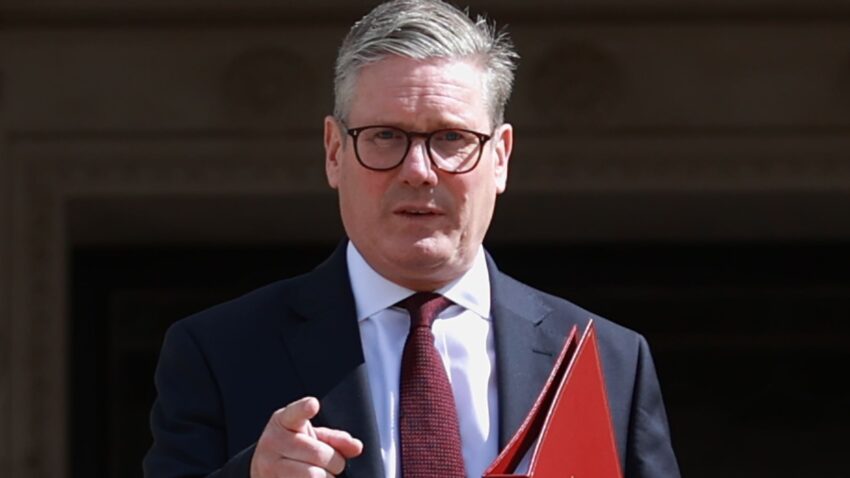
Sir Keir Starmer has left the door open for an increase in employers’ national insurance contributions, despite Labour’s election pledge not to raise taxes on working people.
The prime minister confirmed that “tough” decisions would need to be made in the upcoming budget, but stressed Labour’s commitment to its manifesto promises.
During the election campaign, Labour vowed not to increase national insurance. However, while Starmer and Chancellor Rachel Reeves have reiterated that this pledge covers taxes on workers, they have stopped short of ruling out an increase in the portion paid by employers.
Reeves warned businesses that taxes would need to rise to ensure economic and fiscal stability. She argued that businesses are more concerned about political stability than tax levels, and promised a “business tax roadmap” to provide certainty for investors in the years ahead.
She said that employers’ contributions were “not in the manifesto”, arguing: “We were really clear in our manifesto that we weren’t going to increase the key taxes paid by working people.”
Labour’s manifesto stated: “Labour will not increase taxes on working people, which is why we will not increase national insurance, the basic, higher, or additional rates of income tax, or VAT.”
Laura Trott, the shadow chief secretary to the Treasury, said: “Regardless of what they say, it’s obvious to all that hiking employer national insurance is a clear breach of Labour’s manifesto.”
However, Labour sources pointed out that Trott had criticised Reeves during the campaign for “conspicuously” refusing to rule out increasing employer contributions.
The potential rise in employer national insurance contributions has drawn criticism from some business leaders, who argue that taxing employers risks stifling jobs and enterprise. The Federation of Small Businesses cautioned that such a move could place undue pressure on small employers.
