
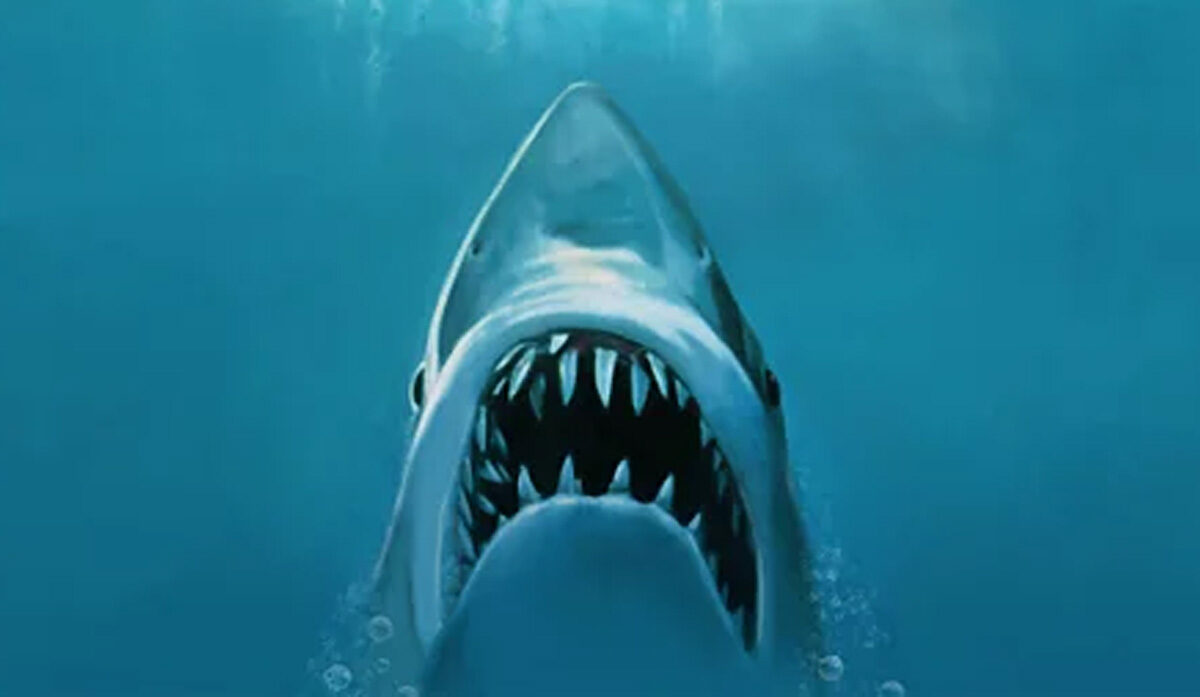
This weekend, many of us across the globe will be able to experience Steven Spielberg’s Jaws on the big screen, with formats ranging from IMAX to the incredibly immersive 4DX. Believe it or not, this is to celebrate 50 years of the classic, as it was first released and impressed audiences back in the summer of 1975. Starring Roy Scheider as police chief Brody, Richard Dreyfus as oceanographer Hooper, and Robert Shaw as the fan favourite shark hunter Quint, the film has long kept audiences on the edge of their seats as the group embarks on a desperate quest to destroy the great white shark that is striking their seaside community of Amity. It’s not all that common for a film to have a chokehold on the entire globe for 50 years, and modern audiences viewing this for the first time may not be won over by its fear factor, so how is Jaws still selling vast amounts of tickets in the 2020s?
Upon its release in 1975, Jaws was an unprecedented box office success. It was the first film to gross over $100 million domestically, and is still regarded today as the blueprint for what we now label the ‘summer blockbuster’. However, it wasn’t just the box office that Jaws dominated, but the brains of its viewers. Beaches across the U.S. saw a drastic dip in sea swimmers, reports of shark sightings grew (often proved false), and the hysteria became so intense that the phobia of sharks, Galeophobia, is often referred to as the “Jaws effect”. The film’s portrayal of its bloodthirsty shark not only sparked a worldwide phobia but also a surge in our fascination with them. Spielberg set out to make a creature feature, and based on these results, we’d definitely say he achieved this. Though this may have been the spark that made Jaws so infamous, this isn’t the sole reason for its endurance, as it’s safe to say the scares have now worn off, particularly for newer viewers. The legacy lives on not just because of the terror but the incredible filmmaking, likable characters, incredible performances, and the fact that despite plenty of shark films being released yearly, nothing has managed to come close.
To be a successful creature feature, you need to do more than just outright scare your audiences. Viewers need to feel the stakes and high tension, which are aspects that Jaws nails tenfold. The ominous score from John Williams is perhaps just as well-known as the movie it was composed for, invoking an intense level of fear even when listened to separately from the movie. Now synonymous with the image of a shark fin slicing through the water, the original score is a perfect ingredient for suspense building within the film and can elevate the visual material perfectly. Furthermore, all horror fans know that the trick with the creature feature is to use your beast sparingly, whether it’s an underwater menace, a monster under the bed, or a creature lurking behind the trees. Perhaps it can be attributed to the mechanical shark Bruce refusing to cooperate whilst Jaws was being filmed, but Spielberg and co. were very careful not to show the deadly great white in all its glory too often. This trick ensures the antagonist is scary all the way through, as many villains lose their fear factor when audiences get used to seeing them. Combining the score, creepy imagery, and careful use of Bruce ensures audiences still feel the tension today, but this can’t be all that ensures bums in seats 50 years on?
Beneath the bloodshed is a really gritty story about power and politics – the human drama surrounding the shark antics is just as, if not more, interesting and tense than Bruce himself. The leader of the town’s refusal to close the beaches due to needing the tourist income is a central theme within the script, and it’s engaging to watch the townsfolk discuss and debate over what seems like such an obvious answer. Particularly strong writing from Carl Gottlieb and original novel writer Peter Benchley ensures that said conversations and debates aren’t just filler; they are vital to the film’s tense nature and overall appeal. When a script can entertain and create as much of a talking point as the killer shark at the centre, you know you have an all-timer on your hands. In this movie, the shark is more than just a dangerous predator lurking beneath the waves; it’s a symbol of fear, an uncontrollable force of nature, and a looming crisis.
The cherry on top of Jaws is the combination of performance and character. For a film of this ilk to have the desired effect, the audience must care for and root for the characters at the centre, with the thought of them being in harm’s way only adding to the intensity and suspense. The shark will always be the headline act of Jaws, but the human characters ensure its staying power. Roy Scheider is excellent in the leading role as Chief Brody, and what makes his character so pivotal and likable is that he’s one of us. Prioritizing the safety of his family and community, he carries the film’s moral weight in the palm of his hand and begs the audience to ask the question ‘What would I do in this situation?’. Bringing the humor and wit is the incredibly talented Richard Dreyfuss, in the role of oceanographer Hooper. Often cutting the tension with his innate passion for sharks, coming across as a know-it-all and privileged, Hooper is a lot of fans’ favourite character. The comedic relief can rarely provide more than just laughs, but Hooper withstands feeling like he’s just placed in for the entertainment factor due to the knowledge he brings.
Filling out the trio is Robert Shaw, whose performance as shark hunter Quint has become widely regarded as one of the biggest awards snubs in Oscar history. From his exceptional, haunting monologue when his character is introduced to his final attempts to take down Bruce for good, his bravado and tangible screen presence ensure he is a good fit for the group. Each character boasts something that audiences can relate to and get on board with, making the characters just as entertaining as the action.
To summarize, it may have been mass hysteria that gave Jaws a place on the map, but it’s Spielberg’s filmmaking, the sharp storytelling, unforgettable characters, top-tier performances, and mind-blowing original score that cement its legacy. Not only does it have the ability to bring tension and suspense to today’s audiences, but it also reflects relatable, real-world politics whilst ensuring entertainment is still at its core. ‘You’re gonna need a bigger boat’ is the nail in the coffin of what was already a memorable time at the movies, as audiences are not only quoting the movie half a century later but watching it on the big screen, bringing up their children on it, and somehow, still thinking twice before dipping their toes into the sea.
Follow us on MSN for more content like this.
