
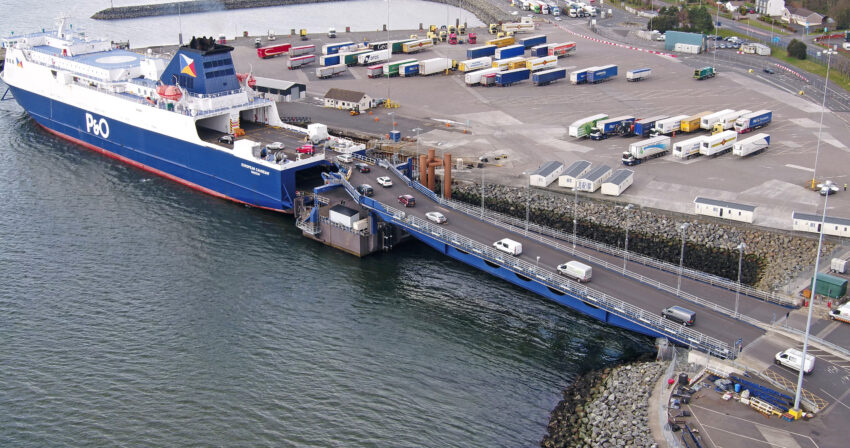
British exporters have voiced deep frustration over post-Brexit border checks, blaming unclear customs guidance, rising costs, and poor communication from HMRC for supply chain delays and growing operational stress.
A new report commissioned by HMRC and carried out by Ipsos offers one of the first detailed “warts and all” appraisals of the UK’s border processes since leaving the EU. The study, based on interviews with 35 traders and freight agents, found that while most reported goods movements to be “generally smooth”, many also described the system as costly, opaque and emotionally draining for staff.
“It gets to staff”: cost and confusion on the frontlines
Several businesses described being left in the dark when their goods were stopped at the border, with no clear information on who to contact or how to resolve the issue.
“One member of staff told me he doesn’t want to work in this area as he ‘can’t stand the stress of it all’ — it really gets to staff,” said one large exporter.
The financial impact of delays was also severe. A medium-sized export agent said: “If you have issues, there’s usually a financial penalty. Storage fees escalate quickly. A single £600 fine can wipe out all your profit on a job.”
Several traders said it was difficult to find accurate contact information for HMRC, with one small agent describing the process of resolving issues as “painful” and saying: “They won’t speak to us. Even finding the right email required speaking to three different people — and then it just went to Border Force, not even the relevant desk.”
Border-related delays and red tape have led to logistical uncertainty, making it harder for companies to plan transport schedules and fulfil delivery commitments.
From hiring additional drivers to covering fines for missed delivery windows, businesses are now facing a post-Brexit trade landscape riddled with hidden costs and inefficiencies.
Despite the pain points, a number of traders noted improvements in recent months. One said, “It was mayhem after Brexit, but recently, it’s been a lot better.” Another added, “It might have just slowed things down ever so slightly every now and again.”
However, William Bain, Head of Trade Policy at the British Chambers of Commerce, warned that the Ipsos interviews were conducted before full UK import controls came into force, including physical checks on food and plant products.
“Customs and border processes remain a daily pain point. That’s why we’re urging the UK-EU leaders’ summit to agree on a robust agri-food deal and to scrap safety and security declarations in both directions,” Bain said.
Such reforms, Bain argues, could simplify border processes for both UK and EU businesses — especially SMEs that lack the resources to navigate complicated customs regimes.
In a statement, HMRC said: “Businesses told us moving goods across the border was generally a smooth process. We’ll continue to use feedback to streamline procedures, improve guidance, and support the flow of legitimate goods. We’re committed to simplifying customs and reducing burdens while maintaining effective checks.”
Still, as full post-Brexit customs protocols continue to roll out, many businesses feel unprepared and under-supported. A large exporter summed up the mood:
“We get customer complaints due to border delays — but we get loads of complaints about loads of things.”
